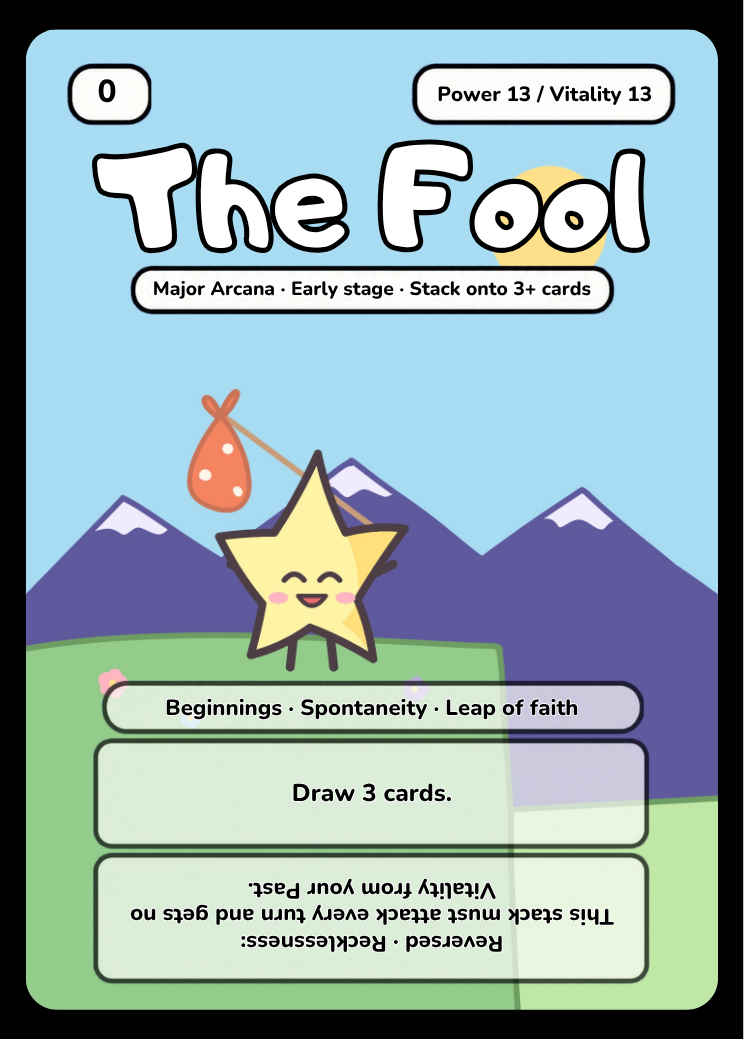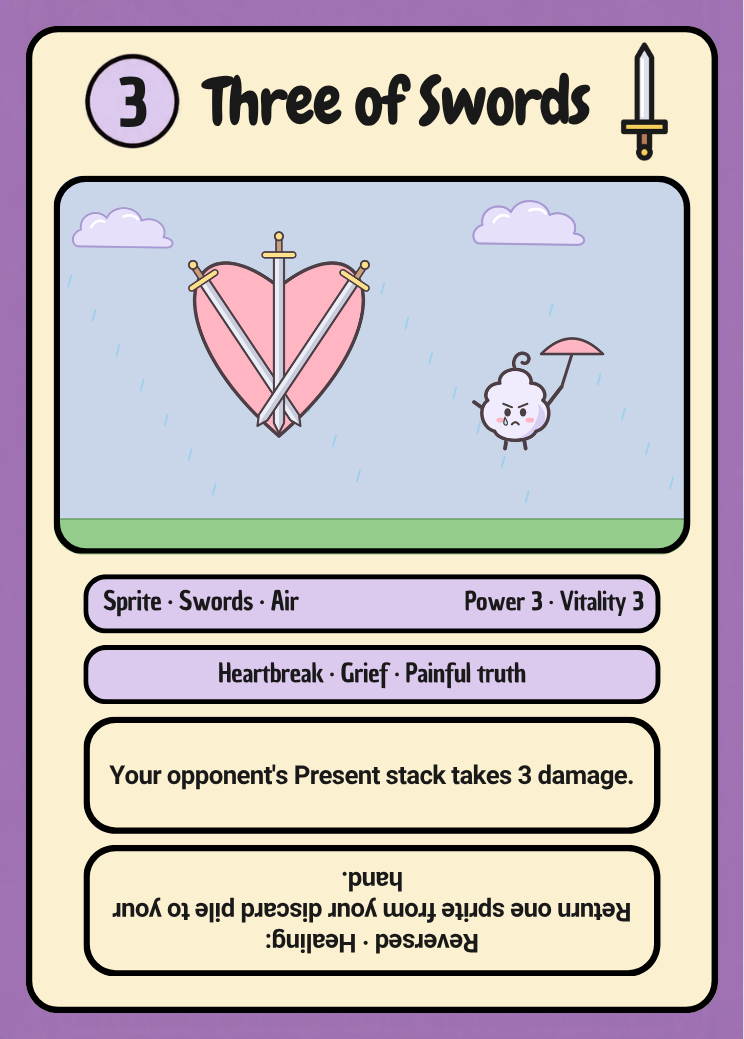
A tarot trading card gameSummon spirit sprites onto a tarot spread and battle across Past, Present and Future. Every one of the 78 cards does what its real tarot meaning says, so you learn to read by playing.
Two players · ages 14+ · 30 to 45 minutes · one complete tarot deck in the box
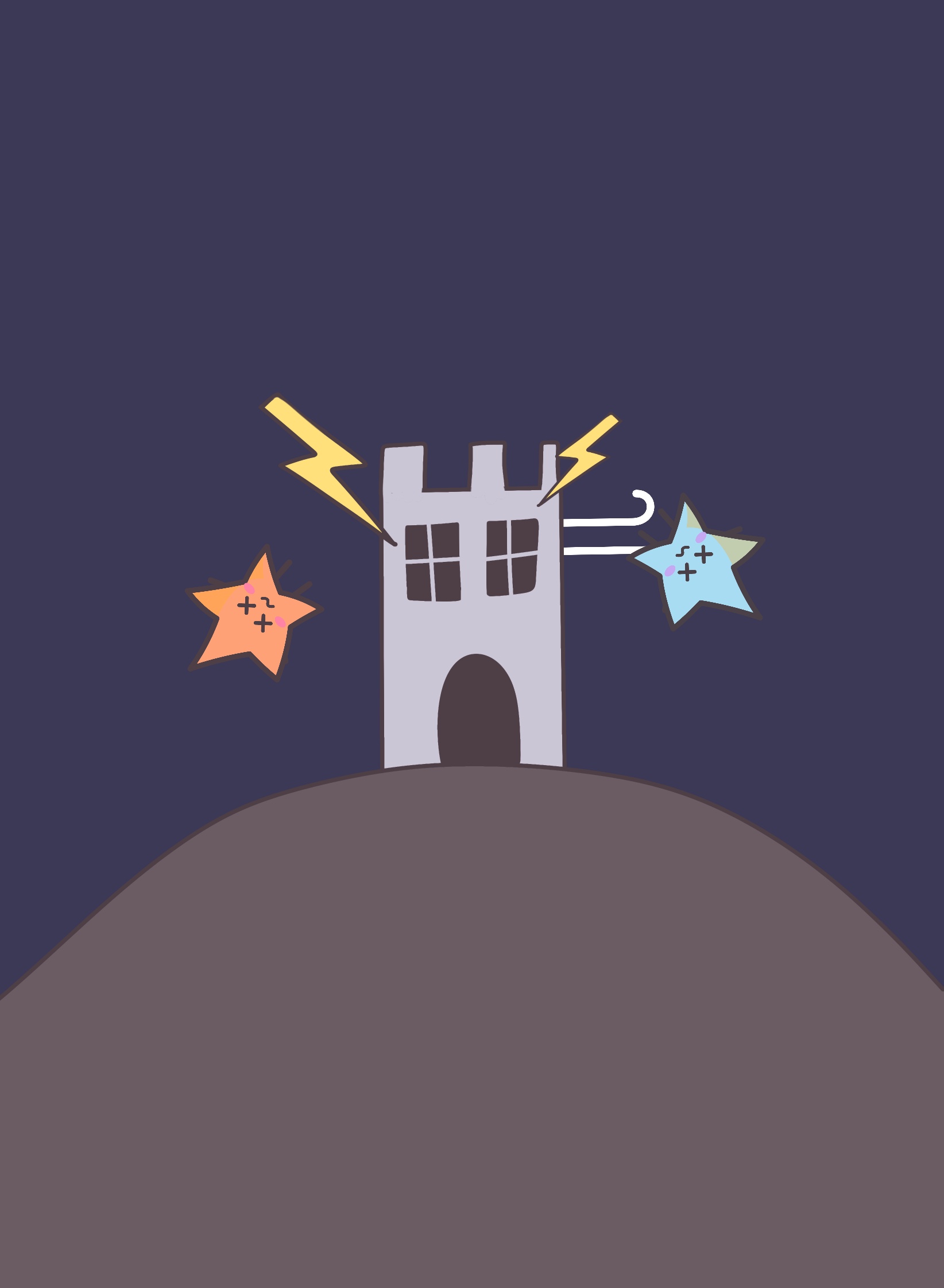
Each player has a Past, a Present and a Future. New sprites can only be summoned into your Future, because you can only choose what happens next. Every turn, all three activate in order, like reading a spread aloud.
Each turn, choose whether time moves on. Shift, and your Future steps into the fight while your Past joins your Journey. Hold, and your Past keeps defending you. You can only hold for three turns.
Shuffle like a reader, turning some cards round. A card drawn reversed is played reversed and uses its reversed effect. Once a turn, discard a card to turn any top card round.
Heartbreak reversed is healing, not joy.
Stack the Major Arcana onto your sprites and carry them through time. Four Arcana in your Journey row, one from each stage of the Fool's Journey, end the game. Highest Fate and Arcana wins.
The World is worth 21 bonus points.
The core box holds all 78 cards: 22 Major Arcana and the four suits of the Minor Arcana. Take the game text away and it is a complete tarot deck you can read with. Keep it, and every card is a character with a real keyword bar.
Everything two people need to play, and everything one person needs to read. Expansion sets add new versions of every card, beginning with Beneath the Moonlight, which ties its cards to the real phase of the moon outside your window.
A small first run is going to friends, local shops and conventions, and the full run follows once the cards have been played, argued over and read with. Follow along as the 78 cards are drawn, and be first to hear when boxes go on sale.
Instagram: [@HANDLE] · Stockists and orders: [EMAIL]
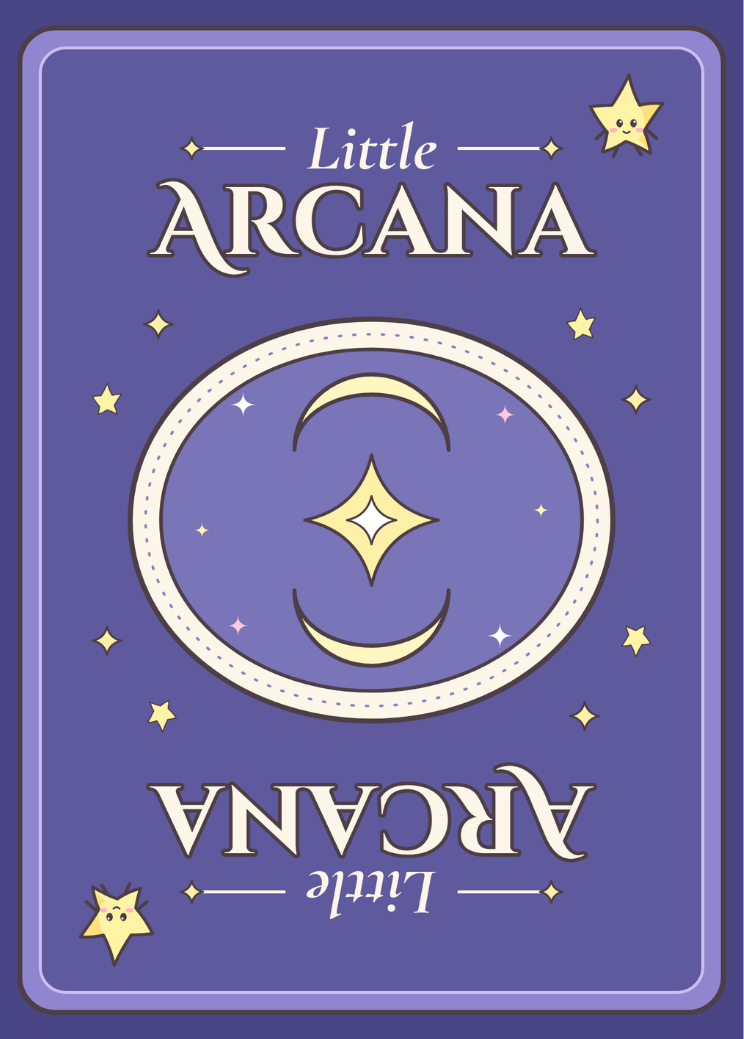
Little Arcana is designed, written and illustrated by Maisie Waring. Pip, the wonky star, guides you through the Major Arcana on every card back. The rules were built so that learning what a card does means learning what it means, and so that after every game the winner can give a three-card reading straight from the board.